

Experience Reputation Availability
Ability to think and work beyond the curves
with our custom
solutions is a reason of our success and help us to give, consistently,
unique solutions within affordable price to our clients.
Established in the year 2001 as a relatively small web design and consultancy company, CYBERXEL® has gained a good reputation for delivering excellence in quality, service and on time solutions in the web and online business. Today we have become the company you are looking for.
We are not just a website design company, we are people who understand business and work hard at understanding to create effective solutions to almost any budget. With a state of the art infrastructure at our disposal and our talented workforce which is trained and experienced, CYBERXEL® offers global solutions for online requirements for domestic as well as international businesses.

Find Out How We Can Help You Succeed - A Projects's Life Cycle
Research
Our approach is strategic. We do not design work unless we set the goals, identify the target market and define the desired user action. As a first step, we dig. It’s all about really getting under the skin of your business so that we understand it as well as you do.
Design
Websites should not only be a visual delight but should be designed with care and precision to ensure that it circulates correct messages and encourage visitors to return. We thus, generate ideas and then design them with aesthetics. We know that correct presentation of the concept is important.
Develop
Here comes the real challenge, giving practical shape to an idea with real coding and exploring latest techniques. We combine cutting-edge design and technological know-how to deliver elegant user-centric web solutions. Our talented team is passionate about all aspects of development to deliver highest quality solutions.
We Deliver
We work on deadlines. Once our project cycle is complete, we deliver and launch it on time and within budget. We deliver the value of the money you pay us. Even after the project is launched, we are always there to support you with it.
Why You Should Choose Us?
All our services follow a very simple process – Research, Design, Develop, Deliver & Maintain CYBERXEL® is a full service website design and internet marketing firm. Our goal is to assist you in developing a perfect visual identity online by getting making your website design solutions that fit your budget constraints and technology needs. We take pride in introducing ourselves as the most reasonably priced web design and development agency. Whether you want a simple one-page text layout and logo design or an intense e-commerce site, we can arrange any size web site design services package in order to meet your needs and your budget.

We think big.
We keep your audience in mind.
We expertise customizations.
We settle nothing less then 100% customer satisfation.
We believe in team work.
We are honest and ethical.
We are experienced.
Our Services
A 24 X 7 solution for
Web Design
Website Development
Web Page Designing
Website Redesigning
Web Design
Website Development
Web Page Designing
Website Redesigning
E-commerce solutions
Shopping Cart
Content Management
E-billing
Tracking systems
Shopping Cart
Content Management
E-billing
Tracking systems
E-commerce solutions
Shopping Cart
Content Management
E-billing
Tracking systems
Shopping Cart
Content Management
E-billing
Tracking systems
CD Presentation
Corporate Presentations
Flash Presentations
Presentational Layout
Multimedia Presentations
Corporate Presentations
Flash Presentations
Presentational Layout
Multimedia Presentations
Branding / Gifts
Brand name, logo, slogan
Company Letterhead
Company forms
Signage
Brand name, logo, slogan
Company Letterhead
Company forms
Signage
Branding / Gifts
Brand name, logo, slogan
Company Letterhead
Company forms
Signage
Brand name, logo, slogan
Company Letterhead
Company forms
Signage
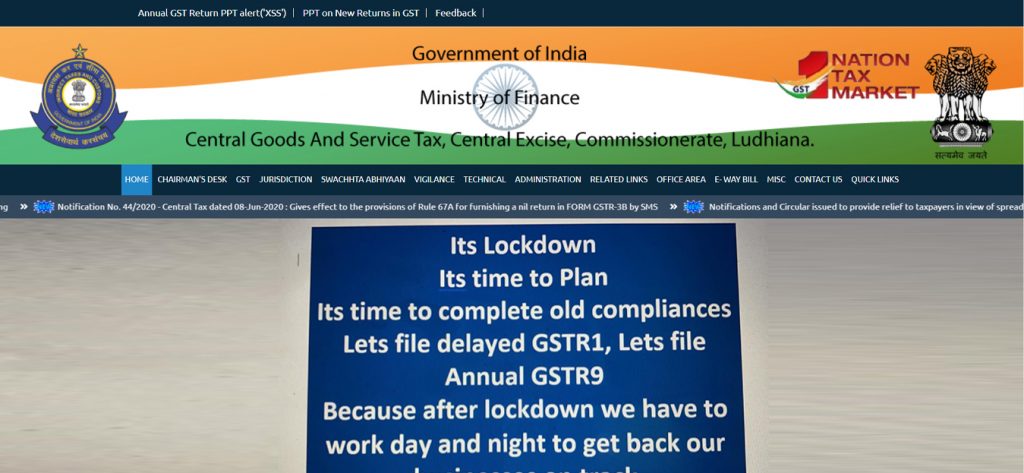
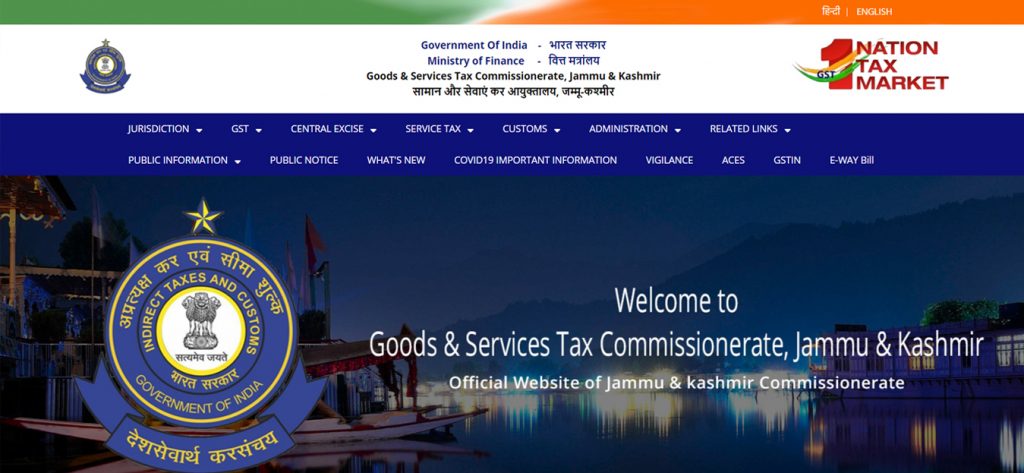
What Our Clients Say?

We have worked with
















© Copyright 2020. All Right Reserved